Southwark Council rules for rubbish disposal Elephant and Castle
Posted on 28/10/2026
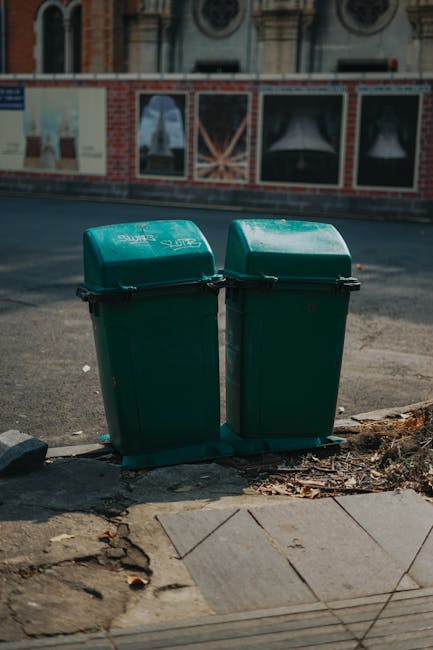
Southwark Council Rules for Rubbish Disposal Elephant and Castle: A Practical Local Guide
If you live, work, manage a property, or run a business in Elephant and Castle, rubbish disposal can get awkward fast. One wrong bag left out at the wrong time, a bulky item dumped beside a bin store, or builders' waste mixed with normal household rubbish can lead to complaints, delays, or worse. That is exactly why understanding the Southwark Council rules for rubbish disposal Elephant and Castle matters so much. The rules shape what you can leave out, when you can leave it, how much you should separate for recycling, and when you need a proper clearance service instead of relying on the street to do the job.
This guide breaks everything down in plain English. You will learn how local rubbish disposal normally works, what mistakes to avoid, how to stay compliant, and how to choose the right waste solution for the kind of mess you actually have. And yes, we will keep it practical. No waffle.
Why Southwark Council rules for rubbish disposal Elephant and Castle Matters
Elephant and Castle sits in a busy part of South London, with flats, shops, offices, student lets, construction activity, and a constant turnover of residents. That makes waste management feel simple right up until it isn't. In a place like this, poor rubbish handling tends to show up quickly: overflowing communal bins, bags left on pavements, awkward shared bin stores, and the classic mystery of "who left that broken wardrobe here?"
The council's rubbish rules are there to keep streets usable, protect public health, and reduce fly-tipping. They also help the area stay presentable, which matters more than people sometimes admit. If you are moving home, clearing a flat, managing a building, or trying to get rid of renovation waste, the rules help you decide whether you need normal council collection, a booked bulky waste service, or a professional clearance. That distinction saves time, money, and a lot of frustration.
To be fair, most people do not read council guidance until they have already got too much rubbish and not enough patience. But once you understand the basics, you can avoid the usual headache: bags that miss collection windows, items rejected for contamination, or waste left out in a way that creates a nuisance for neighbours.
If you are also dealing with a home move or a property refresh, it can help to think about the wider picture. A tidy clearance often sits alongside moving plans, and that is something people browsing local home-moving guidance or the Elephant and Castle property market already know. A clean, well-managed property is simply easier to live with and easier to hand over.
How Southwark Council rules for rubbish disposal Elephant and Castle Works
At a practical level, rubbish disposal in Elephant and Castle usually falls into a few broad categories: everyday household waste, recycling, food waste, bulky items, garden waste, and trade or construction waste. The council expects each type to be handled differently. That sounds obvious, but it is where many problems begin.
Most homes will have regular collection arrangements for general rubbish and recycling. In flats or managed buildings, the rules can be slightly more layered because bin stores, shared containers, and estate management arrangements may apply. If you live in a block near Walworth Road or around the station, you may have noticed that collection points can get crowded at peak times. One missed pickup can snowball fast.
In plain terms, the council approach usually comes down to this:
- Put the right waste in the right container.
- Present bins or sacks at the correct time and in the correct place.
- Do not overfill communal areas or block access.
- Keep prohibited items out of normal collections.
- Use the correct route for bulky, garden, or construction waste.
For items that do not belong in regular collections, a separate route is normally needed. That could mean booking a bulky item collection, arranging a licensed waste carrier, or using a specialist service for a one-off clearance. If your waste is the result of a refurbishment, it is especially important to handle it properly. A builder's rubble bag is not the same thing as a black sack of general waste, and council systems treat them very differently. Our builders' waste disposal service in Elephant and Castle is a useful example of that distinction in practice.
Another thing people forget: council rules are not just about what goes in the bin. They also cover where items are left, how long they stay there, and whether they create hazards for pedestrians, neighbours, or cleaners. A sofa left beside a wall may look harmless for a few hours. By the next morning, it can become everyone's problem.
Key Benefits and Practical Advantages
Following the rules properly does more than keep you on the right side of local enforcement. It makes day-to-day life easier. And, honestly, that is the real point.
- Fewer delays: Waste is less likely to be rejected or left behind if it is sorted properly.
- Cleaner shared spaces: This matters in apartment blocks and estates where one person's rubbish quickly becomes everyone's inconvenience.
- Lower risk of complaints: Neighbours are far less likely to raise issues if collections are tidy and punctual.
- Better recycling outcomes: Correct sorting improves the chance that recyclable material is actually recycled.
- Less stress during moves or clearances: A structured waste plan stops everything from piling up at the worst possible moment.
There is also a financial angle. Repeated mistakes can lead to extra charges, emergency callouts, or the cost of hiring someone to clear what should have been handled correctly from the start. If you are comparing clearance options, it is worth reading about what rubbish removal really costs on Walworth Road and the kind of hidden charges to avoid on local rubbish jobs. A cheap-looking job is not always cheap once all the add-ons appear. Funny how that works, isn't it?
For business owners, landlords, and managing agents, good waste handling also supports a better first impression. A neat entrance, a clear service yard, and bins that are not spilling over all say the same thing: this place is looked after. That matters whether you run an office, a retail unit, or a mixed-use building.
Who This Is For and When It Makes Sense
Southwark Council rubbish rules affect almost everyone in Elephant and Castle, but some groups need to pay closer attention than others.
- Residents in flats or HMOs: Shared bin areas often create confusion, especially if different households have different schedules.
- Home movers: Moving day always produces more waste than expected. Always.
- Landlords and letting agents: Tenancy end clearances need tidy handovers and proper disposal.
- Shopkeepers and office managers: Commercial waste rules are not the same as household waste rules.
- Builders and decorators: DIY waste, plasterboard, timber, and rubble need separate planning.
- Gardeners and homeowners with outdoor spaces: Green waste can be manageable, but it still needs the right treatment.
The rules make sense any time the waste volume is more than the usual weekly bin load. That could be after a kitchen replacement, a student flat clear-out, a tenancy turnover, or even a weekend declutter that got a bit out of hand. You know the type. One bag becomes three, then suddenly there is a broken chair and a lampshade you do not remember owning.
If you are deciding whether to book a local clearance, compare it with the type of rubbish you actually have. Household waste and a handful of bagged items might be straightforward. A full garage, loft, or office clear-out is another story. For those situations, it is often better to look at a dedicated house clearance in Elephant and Castle or an office clearance service rather than trying to solve everything with a bin day and a prayer.
Step-by-Step Guidance
If you want to stay compliant and keep your property tidy, a simple process helps a lot. Here is the version that works in real life.
- Identify the waste type. Separate general rubbish, recyclables, food waste, bulky items, garden waste, and trade waste. Do not mix materials if you can avoid it.
- Check how your building handles collections. In a lot of Elephant and Castle flats, the bin arrangement is set by the building or estate, not just the council timetable.
- Use the correct container. Put rubbish in the right bin or sack and avoid leaving loose waste beside communal containers.
- Watch timing. Place waste out only when it is meant to be collected. Left too early, it becomes clutter. Left too late, it becomes a missed pickup or a complaint.
- Handle special items separately. Mattresses, furniture, appliances, garden cuttings, and construction debris usually need separate treatment.
- Book specialist help when volume grows. If you are facing a full property clear or regular overflow, a waste contractor is often the smarter move.
- Keep evidence of proper disposal if needed. This can matter for landlords, agents, and businesses that need a clean paper trail.
A useful habit is to pause before you start the clearance and ask, "Would this go in a regular bin, or does it need a separate route?" That one question saves a lot of mistakes. It is a small thing, but it works.
If you are close to the station or managing waste on a tight schedule, local convenience matters. Some readers looking for rubbish clearance near Elephant and Castle Station simply need someone to remove items before they become a nuisance. Others need same-day help because a tenancy ended suddenly or work has overrun. In that case, same-day rubbish removal in SE17 may be the practical option.
Expert Tips for Better Results
There are a few habits that make rubbish disposal smoother, especially in a dense area like Elephant and Castle.
- Sort first, carry once. Do not drag mixed waste downstairs only to sort it later in the hall. That is how mess spreads.
- Break down bulky items. Flat-pack boxes, dismantled furniture, and bundled wood take up far less space.
- Keep wet and dry waste apart. Food and liquid contamination can ruin recycling loads. A bit of rain can do it too.
- Protect shared areas. Lift waste rather than sliding it through corridors or stairwells. The scratch marks tend to stay around longer than the cleanup.
- Plan for access. If the property is upper-floor, car-free, or has restricted loading, give yourself extra time.
One thing we see often: people assume "it's only a few items" and then halfway through realise they have ten more. That is normal. Not ideal, but normal. If you are not sure whether the job is heading towards bulky waste or full clearance territory, start by comparing the scale with a broader local service. The services overview is a sensible place to understand how different jobs usually fit together, and your rubbish removal needs can help you think through the type of support required.
And yes, if you are dealing with garden cuttings after a tidy-up on a grey Sunday morning, it is often better to remove them promptly. Damp green waste gets heavier, smellier, and a lot less pleasant to move. That is one of those little truths people learn the hard way.
Common Mistakes to Avoid
Most waste problems in Elephant and Castle are not dramatic. They are just small mistakes repeated enough times to become a real issue.
- Leaving rubbish beside bins: This is one of the quickest ways to create nuisance and attract complaints.
- Mixing recyclable material with general waste: Contamination can mean the whole load is treated as residual waste.
- Dumping builders' waste in household bins: Heavy items, rubble, and plasterboard belong in a proper disposal route.
- Assuming all bulky items are accepted automatically: Not every collection route handles every item.
- Ignoring building rules: Estate or block management may have stricter arrangements than the general area guidance.
- Using an unlicensed carrier: If waste is handed to the wrong person, you can still be left with trouble if it is dumped illegally.
That last point is worth sitting with for a moment. If someone offers to take your waste away for cash, with no receipt, no details, and a hurried manner, it might not be a bargain. It might be a headache waiting to happen. If you want a more structured route, the local focus on waste removal in Elephant and Castle and rubbish clearance in Elephant and Castle is the safer direction when the job is beyond normal household disposal.
Tools, Resources and Recommendations
You do not need specialist equipment to dispose of rubbish properly, but a few simple tools help enormously.
- Strong sacks and boxes: They keep waste contained and reduce breakages.
- Labels or marker pens: Handy for sorting items before a clearance.
- Gloves and sturdy shoes: Basic, but worth it.
- Trolley or sack barrow: Very useful in blocks with long corridors or basement stores.
- Measuring tape: Good for checking whether furniture needs dismantling before removal.
On the planning side, a few pages on this site can help you think through your next step. If pricing is part of the decision, see pricing and quotes. If you are comparing a specialist job for garden cuttings, take a look at garden waste removal in Elephant and Castle. For a more general service path, the recycling and sustainability page is useful context because disposal choices should not just be quick; they should be sensible too.
If you are unsure about where your own situation sits, a little self-audit helps. Ask yourself: Is this a one-off clear-out, a recurring business waste problem, or a mixed job with heavy items and recyclables? Once you know that, the right solution is much easier to choose.
Law, Compliance, Standards, and Best Practice
Waste disposal in England sits within a broader legal and environmental framework, and Southwark's local rules sit inside that. You do not need to memorise legislation to get this right, but you do need to respect a few basics.
First, waste must be stored, presented, and handed over in a way that avoids nuisance, pollution, and unsafe conditions. That is true for households and especially true for businesses. Second, if you pay someone to remove waste, best practice is to use a proper waste carrier and get clarity on what happens to the rubbish after collection. Third, hazardous or special waste should never be mixed casually with ordinary rubbish.
For commercial operators in Elephant and Castle, compliance matters even more. Offices, shops, and managed premises should keep disposal arrangements consistent, documented, and suitable for the type of waste produced. This is part of good housekeeping, but it is also part of being able to show that the business is acting responsibly.
If you are dealing with refurbishment or strip-out work, construction and demolition waste should be kept separate from household refuse. That is not just best practice; it is how you reduce the chance of contamination, unsafe lifting, and unnecessary disposal costs. In our experience, the cleanest jobs are the ones where sorting starts before the first item is moved, not after the pile is already on the pavement.
There is also a practical safety angle. Sharp edges, broken glass, heavy furniture, and damp waste can create avoidable injuries. If a job feels awkward, it probably is awkward. That is the moment to slow down, not speed up.
Options, Methods, or Comparison Table
Different rubbish situations call for different methods. The right choice depends on volume, type of waste, access, urgency, and whether the property is residential or commercial.
| Method | Best for | Strengths | Limitations |
|---|---|---|---|
| Regular council collection | Routine household waste and recycling | Simple, familiar, built into normal household rhythm | Not suitable for large items or mixed clear-outs |
| Bulky item route | Furniture, mattresses, larger household items | Practical for one-off larger objects | May require booking and item restrictions |
| Specialist rubbish clearance | Mixed loads, flat clear-outs, urgent jobs | Flexible, efficient, suitable for awkward jobs | Cost depends on volume and access |
| Builders' waste disposal | Renovation debris, rubble, timber, site waste | Designed for heavy, messy, non-household waste | Not the same as domestic disposal |
| Garden waste removal | Cuttings, branches, soil-related green waste | Keeps outdoor jobs tidy and manageable | Best when separated from general rubbish |
If you are deciding between methods, think in terms of "what am I actually trying to remove?" rather than "what sounds cheapest?" That small shift saves trouble. It also tends to produce a cleaner, quicker result.
Case Study or Real-World Example
Here is a simple real-world scenario from a typical Elephant and Castle flat turnover.
A tenant moves out of a two-bedroom flat near a busy road and leaves behind a broken bedside table, a pile of cardboard, two bin bags of mixed waste, a worn mattress, and some leftover paint tins. At first glance, it looks manageable. But then the building's bin store is already full, the mattress is too large for normal collection, and the paint tins raise a separate disposal question. The landlord wants the flat clean by the next afternoon, and the cleaner cannot start until the waste is out.
The sensible approach is not to force everything into the communal bins. Instead, the items are separated into general waste, cardboard, and special items. The mattress and furniture are treated as bulky waste. The paint tins are isolated and handled separately. That prevents contamination, keeps the bin store usable, and lets the property handover happen on time.
That sort of job comes up more often than people think. It is especially common in areas with fast-moving rental demand, where turnover is quick and the margin for mess is slim. A bit of structure goes a long way. And if the clearance is bigger, a more formal route such as house clearance or office clearance can be much more efficient than trying to piece the job together item by item.
Practical Checklist
Use this quick checklist before you put anything out or book a clearance.
- Have I identified the waste type correctly?
- Does anything need separating for recycling or special handling?
- Am I following my building's bin-store or estate rules?
- Do I know when and where the waste should be placed?
- Are there bulky items that need a separate collection route?
- Is there any builders' waste, garden waste, or commercial waste mixed in?
- Have I protected shared areas from damage or contamination?
- If I am hiring help, do I know what service I actually need?
- Have I checked for hidden charges or awkward access issues?
- Would a professional clearance be simpler than doing this in stages?
That last question is often the deciding one. If you are looking at the pile and feeling the energy drain out of you, that is a sign. Not every job needs a professional. But some definitely do.
Get a free quote today and see how much you can save.
Conclusion
Southwark Council rules for rubbish disposal Elephant and Castle are really about one thing: keeping waste manageable, lawful, and out of everyone else's way. Once you understand the difference between routine household rubbish, bulky items, recycling, garden waste, and builders' waste, the process becomes much easier to handle. The stress usually comes from trying to force the wrong waste into the wrong system.
If you take anything from this guide, let it be this: sort early, choose the right method, and do not leave waste decisions until the last minute. In a busy local area, that small bit of planning makes a huge difference. It keeps your property tidier, your neighbours happier, and your disposal choices safer.
And really, that is the whole game. Clean, simple, done properly.
For more about the team behind the service, you can also read about us if you want a better sense of the people working in the area. A good local service should feel straightforward, not mysterious. That part matters more than most people think.
 Tipper Van - Rubbish Clearance and Attic Clearance Prices in Elephant and Castle, SE1
 Luton Van - Rubbish Clearance and Attic Clearance Prices in Elephant and Castle, SE1


